 English


Structural fasteners like a solid concrete anchor are engineered for permanent, high-shear load applications. They bite deeply into hard masonry and firmly refuse to let go. This specific design makes removal inherently difficult and highly frustrating for most builders. Improper removal techniques frequently lead to severe concrete spalling. You might unintentionally compromise the structural integrity of your foundation. Alternatively, you could easily waste countless labor hours wrestling stubborn bolts. Attempting to force them out blindly usually causes significantly more damage than good. This comprehensive guide covers proven, evidence-based methods for safe hardware extraction. We will carefully evaluate various removal, flush-cutting, and concealing techniques. You will soon learn how to assess each unique approach. We measure them strictly against labor efficiency, overall substrate safety, and specific tooling requirements.
Total extraction is rarely the most efficient choice; driving the anchor deeper or cutting it flush minimizes substrate damage and saves time.
The concrete wedge anchor requires different handling than a sleeve anchor or concrete screw due to its expansion mechanism.
Tool selection and method should be dictated by the installation depth, anchor condition, and required finish of the concrete surface.
Compliance with silica dust safety (OSHA standards) and proper PPE are non-negotiable during grinding or drilling removal methods.
Before you grab a pry bar, you must identify the exact fastener in the wall. Different mechanisms require entirely different extraction strategies. A one-size-fits-all approach usually ends in fractured masonry. Let us break down the most common types you will encounter on the job site.
Concrete wedge anchor: This fastener expands heavily at the base. Pulling it upward often increases internal friction. The expansion clip bites harder into the surrounding masonry as you pull. Removing a concrete wedge anchor requires overcoming this intense mechanical lock.
Sleeve anchor: This type features a collapsible metal sleeve. It runs the entire length of the stud. They are sometimes reversible. However, the thin metal sleeve is highly prone to jamming inside the hole.
Drop-in anchor / Concrete screws (Tapcons): These are typically much easier to back out. Concrete screws have aggressive threads. You can usually reverse them using an impact driver. Drop-in anchors rely on a setting tool. You generally abandon them or drive them deeper.
You must establish clear goals before touching any tools. Define what success looks like for your specific project. This evaluation prevents unnecessary labor and protects your substrate.
Evaluate the final surface requirements. Does the surface need to be perfectly smooth? Perhaps you plan to polish the concrete floor later. In this case, flush cutting works best. Is a patched depression acceptable? If you will cover the area using carpet or machinery, minor cosmetic damage matters less.
Consider the strength of the surrounding material. Can the surrounding concrete withstand the severe stress of a pry-bar? Edge distances play a massive role here. If the fastener sits close to a slab edge, prying will almost certainly fracture the corner. You must prioritize structural integrity over total material removal.
Think about the sheer volume of work. For commercial projects requiring the removal of dozens of anchors, extraction is often too slow. Pulling fifty bolts manually destroys project timelines. Grinding or driving them deeper scales much better across large job sites.
Anchor Type | Expansion Mechanism | Reversibility | Best Removal Strategy |
|---|---|---|---|
Wedge Anchor | Bottom expansion clip | Very Low | Drive-in or Flush-cut |
Sleeve Anchor | Full-length sleeve | Moderate | Loosen sleeve, mechanical pull |
Concrete Screw | Thread cutting | High | Unscrew via impact driver |
Drop-in Anchor | Internal expansion plug | Very Low | Drive-in and patch |
This is easily the most labor-efficient method available. It works beautifully provided the original installation hole was drilled deeper than the anchor length. Professionals use this tactic daily. It saves immense physical effort. It completely eliminates the risk of spalling the surface.
Follow these precise steps to execute the drive-in method safely. You want to ensure the fastener sinks deep enough to accept a quality patch.
Clear the area: Sweep away loose debris. Ensure you have clear visibility of the base plate and the stud.
Remove hardware: Take off the nut and the washer. Use a standard wrench or an impact driver.
Protect the threads (Optional): Thread the nut to the top of the post. Do this to protect the threads if attempting to save it for potential future pulling. Otherwise, you can strike the bare stud directly.
Drive it down: Use a heavy hammer. A 3lb club hammer provides excellent mass. Strike the stud firmly. Drive the concrete anchor far below the surface level. Aim for at least half an inch of recess.
The primary risk here is bottoming out. If the hole is too shallow, striking the anchor will bend the stud. You might also fracture the surrounding concrete. A solid dead blow indicates you have hit the bottom of the drilled hole. Stop hitting immediately if the bolt stops moving. Continued strikes will simply shatter the masonry outward.
You cannot leave an open depression. Water will pool inside it. Debris will accumulate. Fill the remaining void with high-strength epoxy. You can also use a commercial-grade concrete patching compound. Trowel it flat. Let it cure according to the manufacturer guidelines. This restores the smooth surface.
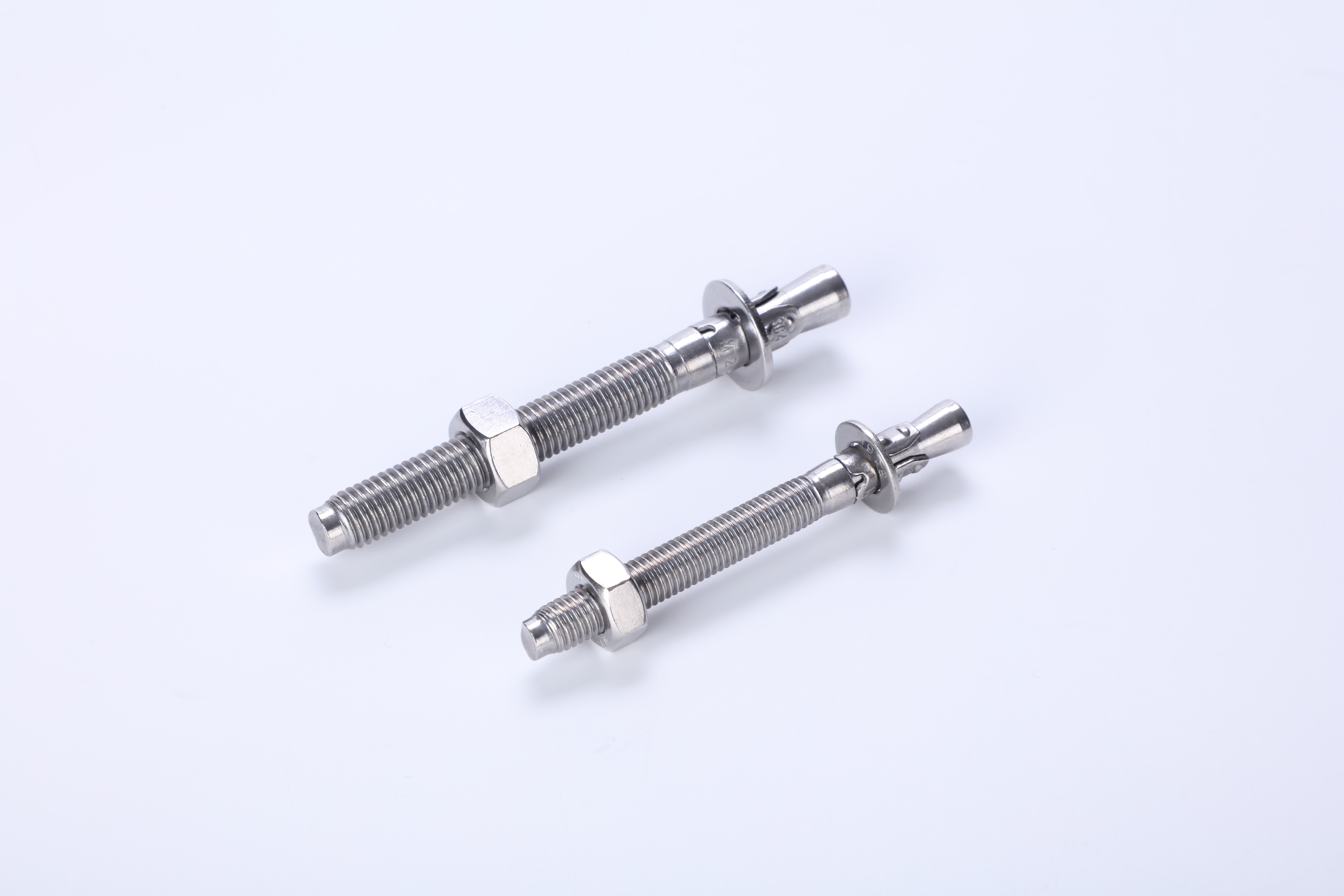
This method is ideal when a concrete wedge anchor is installed in a shallow hole. It also works perfectly if the stud is bent or entirely seized. This approach strongly prioritizes surface integrity over total material removal. You leave the embedded portion behind safely.
Do not attempt this using hand tools. You need powered equipment for a clean finish. Bring an angle grinder equipped with a metal-cutting cutoff wheel. Alternatively, use a heavy-duty oscillating multi-tool. The multi-tool requires titanium-coated blades. Standard bi-metal blades will dull instantly against hardened steel.
Precision matters here. A sloppy cut will gouge the surrounding floor. Take your time and let the tool do the actual work.
Prepare the workspace: Clear the area of flammable debris. Grinding creates a massive spark hazard. Move paper, rags, and chemicals away.
Make the initial cut: Cut the anchor bolt as close to the concrete surface as possible. Keep your grinder wheel perfectly flat. Do not angle it downward yet.
Refine the surface: Switch out the cutting wheel. Attach a heavy grinding disc. Smooth the remaining metal flush with the concrete face. You can grind it slightly below the surface if you plan to patch over it.
You face a high risk of airborne silica dust if the wheel contacts the concrete. OSHA standards heavily regulate silica exposure in construction. Mandatory use of ANSI-rated eye protection is required. You must wear face shields and proper N95 or P100 respirators. Connect a HEPA vacuum shroud to your grinder if you anticipate prolonged grinding.
You should consider this the method of last resort. It is necessary only when the specific hole must be reused. Sometimes, local building codes prohibit leaving abandoned fasteners inside the substrate. Mechanical extraction requires raw force and carries high substrate risks.
If you must pull it, do it methodically. Avoid jerking motions. Smooth, sustained pressure yields the best extraction results.
First, lock heavy-duty grips tightly onto the stud. Next, use a long pry bar. You must use a wooden block beneath the pry bar heel. This block serves to distribute the heavy load. It acts as a fulcrum and helps prevent concrete spalling. Slowly lever the bar upward. Watch the masonry closely for hairline cracks.
This technique relies on binding forces. Thread two nuts onto the exposed stud. Lock them tightly against each other using two wrenches. Next, use an impact wrench on the bottom nut. Twist the anchor vigorously. This intense rotational force often breaks the expansion wedge's grip. Once broken loose, you can pry it upward much easier.
You face an extreme risk of "cratering" the concrete. Cratering pulls a massive cone of masonry out of the floor. This ruins the structural pad. If the anchor requires excessive force, stop immediately. Pivot back to Method 2 to prevent catastrophic structural damage. It is never worth destroying a slab just to remove a single bolt.
This happens frequently during aggressive prying. The hardened steel simply snaps under shear tension. Do not panic. Stop attempting extraction immediately. Grab a heavy steel punch. Use the punch to drive the remaining metal further down into the hole. Once recessed, seal over it using a commercial-grade patching compound. The remaining metal is effectively entombed and harmless.
This situation is incredibly common with stripped sleeve anchors. The core bolt spins, but the sleeve remains locked. Insert a flathead screwdriver right beside the anchor. Alternatively, use a small cold chisel. Drive it down to bind the metal sleeve against the concrete wall. This creates friction. You can then back out the central bolt successfully. Afterward, you can usually pull the empty sleeve out using needle-nose pliers.
Repairing the hole correctly matters just as much as the extraction. A poorly patched hole compromises future installations.
Clean the cavity: Clean out all silica dust using compressed air. A specialized HEPA vacuum works perfectly here. Dust prevents epoxy adhesion.
Prime the surface: Apply a liquid bonding agent to the interior walls. This ensures the new material sticks to the old masonry.
Fill the void: Use hydraulic cement or structural epoxy. Pack it tightly into the hole. This step restores necessary load-bearing capacity to the immediate area. Trowel the top completely smooth.
Forcing a structural bolt out of its hole is often a poor misallocation of labor. Hardened fasteners do exactly what engineers designed them to do. They grip concrete aggressively. We strongly recommend the drive-in or flush-cut methods. These remain the most reliable, commercially viable solutions for standard scenarios. They protect your foundation and save you valuable time. Always evaluate the specific fastener type before starting. If you must extract it entirely, proceed with extreme caution to avoid spalling. Moving forward, ensure you stock high-quality metal grinding wheels in your toolkit. Invest in heavy-duty pry bars. Keep commercial concrete patching compounds readily available for fast, professional job site repairs.
A: Only if the hole is undamaged and fully cleared of debris. You must vacuum out all residual dust. However, using chemical anchoring (epoxy) is highly recommended over mechanical expansion anchors for reused holes. The internal masonry walls are often slightly scored, reducing mechanical grip.
A: If driving it in is impossible, the safest method is cutting. You want to avoid cracking the surrounding concrete. Simply cut the exposed stud perfectly flush using an angle grinder. Use a metal-cutting wheel. Finish by grinding it smooth to protect foot traffic.
A: Yes, aggressive pulling definitely weakens the substrate. Heavy prying can easily cause large spalling or deep micro-fractures. Leaving the anchor body safely in place and patching over it preserves structural integrity much better than forced mechanical extraction.
