 English
Author: Site Editor Publish Time: 2026-06-18 Origin: Site


Installing heavy fixtures demands absolute precision from the ground up. Improper installation of a single fastening point compromises structural integrity entirely. This oversight inevitably leads to catastrophic equipment damage. It causes severe on-site safety hazards and strict regulatory compliance failures. Successful fastening relies heavily on three unyielding variables. You must guarantee a precise hole diameter. You must perform rigorous dust extraction. Finally, you must strictly adhere to manufacturer-specified torque limits. Ignoring any of these crucial metrics practically ensures fastener failure under load. We provide an evidence-based walkthrough for navigating both commercial and residential anchoring projects. You will learn how to properly evaluate various base materials. We help you select the exact hardware needed. Finally, we guide you through the standardized steps required to execute a technically sound installation every single time.
A concrete anchor requires an exact match between the fastener diameter and an ANSI-compliant drill bit; tolerances are virtually zero.
The "Blow-Brush-Blow" hole-cleaning method is non-negotiable; residual dust reduces holding capacity by up to 50%.
Driving an anchor with an impact wrench risks thread stripping and over-torquing; always use a calibrated torque wrench.
Minimum edge distances and base material conditions (cracked vs. uncracked) dictate whether mechanical or chemical anchors are required.
Frame the engineering problem before you ever touch a drill. Not all concrete holds mechanical tension equally. You must evaluate the substrate accurately beforehand. Structural engineers classify poured concrete quite differently than hollow block or brick. Poured foundations provide the highest pull-out resistance available. Hollow masonry requires highly specialized hardware instead. Fasteners expand differently depending on internal voids. You cannot treat them interchangeably on the job site.
You also need to identify cracked versus uncracked conditions. Seismic zones introduce extreme dynamic loads. These shifting forces cause tiny hairline fractures over time. Standard hardware fails rapidly under dynamic stress. You must specify ICC-ES evaluated anchors for cracked environments. They handle shifting micro-fissures safely and securely. Building inspectors rigorously check these specific compliance marks.
Next, evaluate the specific load types carefully. Tension loads attempt to pull the hardware straight out of the hole. Shear loads exert downward or lateral force across the shaft. You must calculate both force vectors accurately. Gravity pulls fixtures downward constantly, testing shear strength. Wind or equipment vibrations test tension limits simultaneously.
Let us break down the primary hardware categories clearly. You must match the hardware to the application.
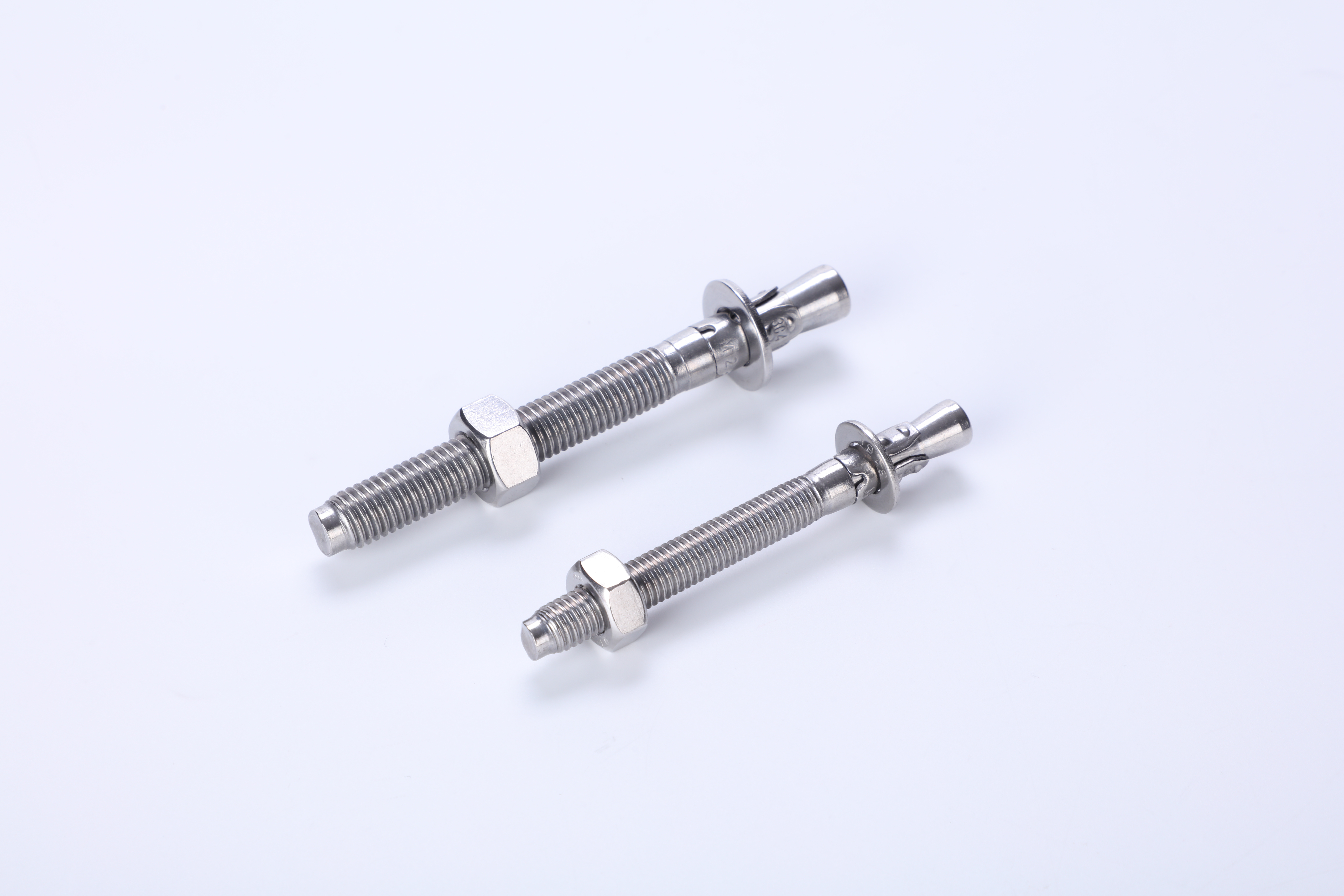
Concrete Wedge Anchor: Best for solid concrete and heavy-duty static loads.
Sleeve Anchors: More versatile overall. They adapt easily to softer or hollow base materials.
Drop-in / Strike Anchors: Flush-mount solutions designed primarily for medium interior loads.
Adhesive/Epoxy Systems: Required for extreme edge proximity. They also handle high-vibration applications like heavy machinery seamlessly.
Anchor Selection Summary Chart | ||
Anchor Category | Ideal Base Material | Primary Load Type |
|---|---|---|
Wedge Anchors | Solid Poured Concrete | Heavy Tension & Shear |
Sleeve Anchors | Hollow Block / Brick | Medium Static Loads |
Adhesive Epoxy | Cracked Concrete / Edges | Dynamic / High Vibration |
The equipment required to meet engineering specifications ensures a secure hold. We must use the correct tools consistently. Standard drill bits fail repeatedly in high-strength masonry. They wear down instantly and lose their shape. You must use ANSI-standard carbide-tipped masonry bits instead. SDS-Plus or SDS-Max profiles guarantee exact hole diameters every time. Tolerance matters immensely here. An undersized hole prevents proper hardware insertion. An oversized hole ruins the holding capacity entirely.
Consider your drilling equipment carefully before starting. A standard hammer drill works adequately for tiny household holes. However, you need a true rotary hammer for holes larger than 3/8-inch. Rotary hammers deliver pneumatic percussive force directly to the bit. They crush heavy aggregate effectively without burning up the tool. This saves immense physical effort and protects your bits.
Dust evacuation tools remain strictly mandatory on every job site. You cannot skip this cleaning step safely. Collect proper compressed air nozzles, specialized wire brushes, and HEPA vacuums. OSHA regulations also require HEPA vacuums for controlling airborne crystalline silica dust. The hole must remain entirely debris-free.
Finally, secure a calibrated torque wrench. You cannot guess the final tightening force safely. Impact drivers estimate torque poorly. They over-tighten fasteners routinely. Calibrated tools ensure strict adherence to manufacturer specifications. This guarantees the expansion clip deploys exactly as engineered.
Inspect carbide tips for chipping before drilling.
Verify the ANSI stamp physically printed on the bit shank.
Calibrate your torque wrench annually to maintain accuracy.
The standardized operating procedure for mechanical wedge fasteners demands strict adherence. We rely on rigid routines to prevent dangerous structural errors. Follow these exact steps for flawless execution.
Step 1: Drilling to Spec. Set your depth gauge precisely beforehand. You must drill deep enough to accommodate the hardware fully. We use a simple rule of thumb across the construction industry. Drill a minimum 1/2-inch deeper than the required embedment depth. This extra space allows residual dust to settle safely at the bottom. It prevents the stud from bottoming out early.
Step 2: The Cleaning Protocol (Crucial). Execute the standard "Blow-Brush-Blow" method rigorously. First, blow out the loose dust using compressed air nozzles. Second, scrub the sidewalls vigorously using a specialized wire brush. Third, blow the hole clean again thoroughly. Detail the physical mechanics properly here. Removing concrete dust allows the expansion clip to bite hard into the surrounding masonry. Residual powder acts like microscopic ball bearings. It prevents vital friction and causes immediate pull-out.
Step 3: Seating the Hardware. Thread the nut onto the top of the anchor initially. Keep it completely flush against the top edge. This crucial step protects the delicate threads from heavy striking damage. Drive the anchor into the hole securely. Use a minimum 2 lb. hammer for this specific task. Strike firmly until the washer sits perfectly flush against your fixture.
Step 4: Torquing to Capacity. Tighten the nut systematically using a calibrated torque wrench. We must detail the critical importance of accuracy here. You must stop exactly at the manufacturer specified ft-lbs value. Over-tightening causes catastrophic material failure. Under-tightening allows dangerous load slippage over time.
Lessons from the field reveal common failure points regularly. We see these severe errors daily across commercial sites. You can mitigate these exact risks easily by recognizing them early.
Violating minimum edge distance destroys concrete instantly. Placing hardware too close to an edge causes immediate spalling. The extreme lateral pressure blows out the sidewall completely. This creates expensive repairs and delays schedules. Detail the standard industry rule clearly. Keep the center point at least five times the anchor diameter away from any unprotected edge.
You might encounter "spinners" occasionally during installation. A spinner occurs when the anchor spins infinitely and will not grip. Worn drill bits usually cause this specific issue. They wobble excessively and create slightly oversized holes. Insufficient cleaning also lubricates the expansion clip heavily. You must abandon the hole entirely. Alternatively, upgrade to a larger diameter fastener if the bracket allows.
Hitting embedded steel rebar stops progress immediately. You must follow strict protocols for encountering steel reinforcement. First, abandon the hole entirely and patch it using structural epoxy. Second, relocate the fixture slightly if the blueprint permits. Third, use specialized rebar cutters if structurally permitted. You must clear this action systematically first. Consult a structural engineer before ever cutting embedded rebar. Cutting reinforcement weakens the foundation permanently.
Over-torquing remains incredibly common among inexperienced installers. Workers use impact wrenches aggressively to save time. How does this fail structurally? Exceeding ft-lb specs pulls the wedge too far up the central shaft. This aggressive action crushes the surrounding concrete entirely. It destroys the holding value permanently. Always verify final torque values manually.
Using a dull bit to push forcefully through hard aggregate.
Skipping the wire brush during hole cleaning protocols.
Driving the stud bare without the protective top nut.
Estimating ft-lbs using raw arm strength alone.
How you buy the right fastener dictates long-term performance directly. You must procure the correct hardware for the specific commercial or residential job. Do not guess on material types or load ratings. Engineers design specific load tables based on exact embedment depths.
Environmental and corrosion considerations demand careful attention upfront.
Zinc-Plated: Suits dry, indoor use only. Moisture degrades plain zinc very quickly.
Hot-Dipped Galvanized: Handles humid or exterior environments adequately. It features a much thicker protective zinc coating.
316 Stainless Steel: Specify this for severe environments. Marine, chemical, or submerged applications require maximum resistance against rapid rust.
You must verify engineering compliance rigorously before buying. Commercial jobs require documented proof of safety. Look closely for ICC-ES evaluation reports on the technical specification sheet. Seismic ratings ensure survival during major earthquakes. COLA (City of Los Angeles) approvals demonstrate extreme testing standards. You can confidently trust hardware bearing these distinct regulatory marks.
Finally, align your sizing ratios perfectly before making a purchase. The fixture hole diameter must accommodate the threaded stud smoothly. The anchor diameter must match your available ANSI bit sizes exactly. The required embedment depth must fit the overall slab thickness safely. Mismatched ratios halt construction timelines instantly.
Detailed Material Specification Table | ||
Material Grade | Corrosion Resistance Level | Ideal Application Environment |
|---|---|---|
Carbon Steel (Zinc Plated) | Low | Interior framing, dry climate facilities |
Hot-Dipped Galvanized | Medium | Exterior framing, moderate humidity zones |
304 Stainless Steel | High | Wet environments, standard exterior facades |
316 Stainless Steel | Extreme | Marine applications, submerged chemical plants |
Properly putting in a concrete anchor remains an exercise in absolute precision. You must master everything from matching the ANSI bit to applying the exact torque. Small deviations in procedure lead to massive structural failures. We strongly recommend you never guess on load capacities. When in doubt on complex commercial projects, always defer to a structural engineer's spec sheet. Direct your team to consult a comprehensive product catalog for wedge anchors. You can also review an SDS drill bit sizing guide or request technical consultation services before starting.
A: Depth depends heavily on the manufacturer's minimum embedment specifications. Typically, you must embed the hardware at least four to five times its diameter. Always check the engineering data sheet for exact numerical requirements. Shallower embedment severely reduces load capacities and risks sudden pull-out failure.
A: No, they are permanent mechanical fixtures. The expansion clip bites irrevocably into the masonry sidewalls. The safest solution requires removing the top nut entirely. You then cut the exposed stud perfectly flush against the surface using an angle grinder. Finally, patch the remaining metal using epoxy.
A: Mechanical anchors will not expand enough to bite properly. The clip simply slides against the loose sidewalls. You must either move the hole location entirely or upgrade the fastener. Switching to a chemical or epoxy anchoring system often salvages oversized holes effectively.
A: No. A standard drill completely lacks the percussive force necessary to crush stone aggregate. The bit will overheat and melt rapidly. A dedicated rotary hammer is highly recommended for all masonry work. It uses a pneumatic piston to deliver heavy impacts continuously.
