 English
Author: Site Editor Publish Time: 2026-03-05 Origin: Site


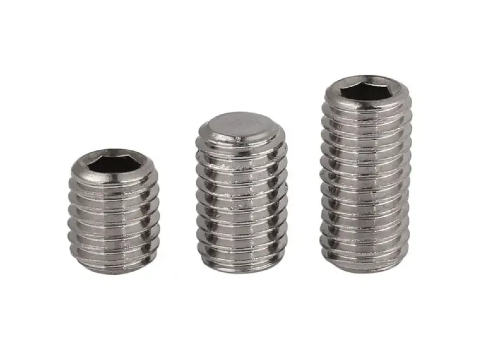
Set screws, also known as grub screws, are a crucial fastening solution used in a variety of mechanical and electrical applications. These screws are designed to secure one component to another, typically without the need for a visible head. They are fully threaded screws that are typically driven into a tapped hole, and they work by applying pressure to hold parts in place. Set screws are often used in situations where the fastener must be flush with or completely inside the components to avoid protrusions that could interfere with other parts.
In this article, we will guide you through the steps involved in properly installing a set screw, ensuring that you understand the importance of choosing the right set screw, preparing the hole, and tightening the screw to the correct torque. We will also cover common installation mistakes and how to avoid them to ensure the best results in your projects.
Before diving into installation, let’s review what set screws are and where they are commonly used. Set screws are screws without a head, designed to secure one component of machinery to another, usually by applying pressure at a precise location. They can be found in a variety of applications, including machinery, automotive components, furniture, and even electronics.
Set screws are available in different types, including:
Cup Point Set Screws: Have a concave tip that provides better grip, typically used for softer materials.
Flat Point Set Screws: Have a flat tip and are designed to create a secure connection with a broad, even surface.
Cone Point Set Screws: These screws have a sharp, pointed tip, perfect for applications that require high torque.
Dog Point Set Screws: Featuring a cylindrical, flat-ended tip, these are used for precise alignment in mechanical components.
These screws are generally installed using common tools such as a hex wrench or a screwdriver, depending on the type of head and socket used.
Proper installation of a set screw is crucial for the longevity of your project. An improperly installed set screw can cause several issues, including:
Loosening Over Time: If the screw isn’t tightened properly, it may loosen over time, causing parts to become misaligned or even dislodged.
Stripped Threads: Tightening a set screw too forcefully or incorrectly can strip the threads, making the screw difficult to remove and potentially damaging the components.
Damaged Materials: Using the wrong type of set screw or improperly installing it can cause damage to the components, particularly in delicate or precision-driven applications.
Instability: In some cases, a poorly installed set screw may result in vibrations or instability in machinery, leading to operational failures.
Proper installation helps ensure the set screw functions effectively, providing a secure connection that remains stable over time.
Before you begin installing a set screw, ensure that you have the proper tools and equipment for the task. Here’s a list of items you’ll need:
Set Screw: Ensure that you choose the correct type and size of set screw for your project (cup, cone, flat, or dog point).
Driver Tool: Depending on the screw type, you may need a hex wrench, screwdriver, or Allen wrench.
Torque Wrench: A torque wrench is essential for tightening the screw to the specified torque without over-tightening.
Drill and Tapping Tools: If you need to create a new hole for the set screw, make sure you have the right size drill and tap to match the screw’s diameter and threading.
Lubricant (Optional): Some applications may require a small amount of lubricant on the threads to ensure smooth installation, particularly in high-torque scenarios.
Now that you have the right tools and understand the importance of proper installation, follow these steps to install your set screw correctly:
The first step in the installation process is selecting the right set screw for your project. Key factors to consider include:
Material: Set screws are available in various materials, such as steel, stainless steel, and brass. Choose the material that best suits your application and environment. For example, stainless steel is ideal for outdoor use due to its corrosion resistance.
Size: Ensure that the set screw’s size is compatible with the tapped hole. If the screw is too small, it won’t grip properly; if it’s too large, it could damage the hole or not fit at all.
Thread Type: The thread type should match the hole’s threading. Common thread types include Unified Thread (UNC/UNF) and Metric.
Before installing the set screw, you must ensure the hole is properly prepared:
Clean the Hole: Ensure the hole where the set screw will be inserted is clean and free of debris, dirt, or oil. This ensures a strong and secure fit.
Check the Hole Size: The hole should be tapped to match the set screw's threading. If the hole is not already tapped, you will need to drill and tap it to the appropriate size. This is critical for the screw to engage with the material effectively.
Align the Hole: Ensure that the hole is aligned properly with the components that need to be fastened together.
Once the hole is prepared, you can begin installing the set screw. Follow these steps:
Insert the Set Screw: Insert the set screw into the tapped hole and ensure it is seated correctly. If the set screw has a hexagon socket or a head for a wrench, align it so you can easily drive it into place.
Use the Appropriate Tool: Use a wrench, screwdriver, or Allen wrench to begin turning the set screw into the hole. Be sure to apply gradual pressure as you screw it in.
Apply the Correct Torque: Using a torque wrench, tighten the set screw to the specified torque. It is important not to over-tighten the set screw, as doing so could cause it to strip or damage the threads. Follow the manufacturer’s guidelines for the proper torque level to ensure a secure hold.
Once the set screw is tightened, check that the components are securely held in place. Ensure there is no play between the parts and that the set screw is flush with the surface of the material (unless you are using a set screw that is meant to be recessed).
In some cases, set screws may require additional measures to prevent loosening over time. Some methods include:
Thread Locking Adhesive: Applying a thread-locking adhesive to the threads can help keep the set screw from loosening due to vibration or mechanical stress.
Use of a Locking Set Screw: Some set screws come with additional features, such as a locking mechanism that prevents them from loosening.
While installing set screws is a straightforward process, certain mistakes can occur. Here are some common errors and tips for avoiding them:
Over-Tightening: Over-tightening the set screw can strip the threads or damage the surrounding material. Always use a torque wrench and follow the manufacturer’s torque specifications.
Wrong Size Set Screw: Using the wrong size set screw can result in a poor fit, causing it to loosen or fail. Always double-check the size before installing.
Improper Alignment: If the hole is misaligned with the components, the set screw may not hold properly. Always ensure proper alignment before insertion.
Skipping the Hole Preparation: Installing a set screw into a dirty or uneven hole can affect its grip. Make sure the hole is clean and tapped to the correct size.
Proper installation of a set screw is essential to ensure that your project remains stable and secure. By choosing the right screw, preparing the hole, and applying the correct torque, you can avoid common mistakes and ensure a successful installation. Whether you're working on a mechanical assembly, automotive repair, or a delicate electronic project, the right set screw installed correctly can make all the difference in your work.
If you’re looking for high-quality set screws for your project, Ningbo Yi Pian Hong Fastener Co., Ltd. offers a wide range of fasteners to meet your needs. Their expert team is ready to help you select the right set screw and provide support for your installation.
Q: What is the purpose of a set screw?
A: A set screw is used to secure one part to another, typically without a protruding head. It’s designed to be installed flush with the surface or within the components being fastened.
Q: How do I know what size set screw to use?
A: The size of the set screw should match the dimensions of the tapped hole. Check the specifications of the components and choose a set screw that fits securely in the hole.
Q: What happens if I over-tighten a set screw?
A: Over-tightening a set screw can cause damage to the threads, strip the hole, or cause material deformation. Always use a torque wrench to tighten the screw to the proper specifications.
Q: Can I reuse a set screw?
A: It depends on the condition of the set screw and the hole. If the set screw is still in good condition and the hole has not been damaged, it can typically be reused. However, frequent removal may lead to wear and tear, so always inspect the parts before reusing them.
