 English
Author: Site Editor Publish Time: 2026-03-10 Origin: Site


Set screws are vital fasteners used in many mechanical applications, from machinery to automotive components. These screws are typically headless and designed to secure one part of a machine to another, often by applying pressure to a shaft or other part to prevent movement. They are especially useful in situations where a visible head would be problematic or unnecessary.
However, even experienced professionals can make mistakes when using set screws, leading to issues like poor connections, damaged parts, and even complete system failure. In this article, we’ll discuss the most common mistakes people make when using set screws, how to avoid them, and the best practices for ensuring the longevity and reliability of your set screw connections.
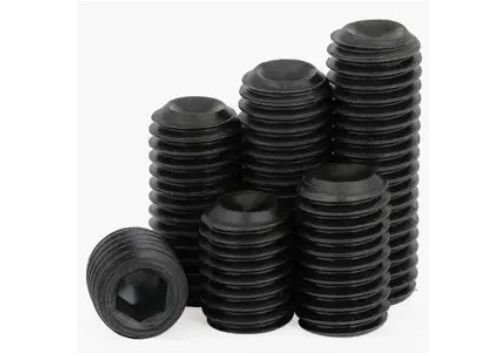
Set screws, also known as grub screws, are screws designed to hold components together in a way that is often hidden or flush with the surface of the part. They are different from traditional screws because they do not have a head that protrudes from the surface. Instead, they are fully threaded, allowing for a secure, low-profile fastening.
Set screws are available in a variety of styles, such as:
Cup point set screws: These have a concave tip, allowing the screw to dig into the material for a stronger grip.
Flat point set screws: These feature a flat tip and are used for applications where the screw must sit flush.
Cone point set screws: These have a sharp, pointed tip, providing strong penetration for more secure fastening.
Dog point set screws: These have a cylindrical end that fits precisely into the hole, making them ideal for precise positioning.
Set screws are commonly used in applications where precision is required, such as in motors, gears, and electrical connections, where it is essential to hold parts securely without interfering with other components.
Using set screws correctly requires more than simply inserting them into a hole and tightening them. Below are some of the most common mistakes made when using set screws and how to avoid them.
One of the most common mistakes is using the wrong type of set screw for the application. Different set screws are designed for different purposes, and choosing the wrong type can result in inadequate fastening or damage to the components. For example:
Cup point screws are ideal for softer materials or situations where the screw needs to grip into the material. However, using them on harder materials can lead to the screw slipping or not engaging properly.
Flat point screws are better suited for low-profile applications, but using them on surfaces that require more grip can result in a weak hold.
Cone point screws are best for situations that require high torque or significant force, but they might not be suitable for delicate or softer materials.
Solution: Always ensure that you select the right set screw based on the material, application, and required torque. If in doubt, consult a professional or refer to the manufacturer’s guidelines.
Another common mistake is choosing the wrong thread size for the set screw. A set screw must match the threading of the tapped hole it is intended to secure. If the screw is too large or too small, it won’t fit properly and can fail to secure the components correctly. A screw that’s too small won’t provide the necessary holding force, and one that’s too large can cause damage to the material or the hole.
Solution: Always check the thread size of the tapped hole before selecting a set screw. Measure the hole carefully or consult the specifications for the correct size. A thread gauge or micrometer can be used to ensure the correct fit.
Over-tightening is a common issue, especially when using a manual tool like a wrench or screwdriver. While it’s important to ensure the screw is securely tightened, over-tightening can lead to several problems, including:
Stripping the threads: Over-tightening can strip the threads of the screw or the hole, making it difficult to remove or replace the screw.
Damaging the material: Excessive force can damage the material being fastened, causing indentations or cracking.
Breaking the screw: In extreme cases, over-tightening can break the set screw itself, rendering it useless.
Solution: Use a torque wrench to tighten the set screw to the recommended torque specification. This ensures that the screw is tight enough to hold the components but not so tight that it causes damage.
Using the wrong tool to install or tighten a set screw can lead to a poor connection and potential damage. For example, if a set screw has a hex socket, using a flathead screwdriver can result in stripping the socket or damaging the screw. Similarly, using the wrong size wrench or an improper tool for installation can cause the screw to be inserted incorrectly or unevenly.
Solution: Always use the correct tool for the set screw. For set screws with hexagonal sockets, use an appropriate hex key or Allen wrench. If the screw requires a special driver or socket, ensure you have the proper tool before beginning installation.
When installing a set screw, it’s essential to ensure that the tapped hole is clean and free of debris. Dust, dirt, or old thread remnants can interfere with the screw’s ability to engage with the threads properly, leading to an unstable hold and possible failure.
Solution: Before installing the set screw, clean the tapped hole using a brush or compressed air to remove any debris. You can also use a tap and die set to clean the threads if necessary.
In some applications, particularly those involving vibration or extreme forces, a set screw may loosen over time. If the set screw is not secured properly, it could work its way out, compromising the integrity of the fastened parts. To prevent this, many professionals use thread-locking adhesives or compounds.
Solution: In high-vibration or high-stress applications, consider applying a thread-locking adhesive to the threads of the set screw before installation. This helps ensure the screw stays secure over time.
Using a set screw on materials that are incompatible can cause it to fail. For example, set screws are typically designed to be used with metals or other hard materials. Using them on soft or fragile materials, like plastic or wood, can result in poor grip and failure.
Solution: Make sure that the set screw you choose is compatible with the material you are fastening. For softer materials, you may need to choose a set screw with a gentler point, like a flat point or a cup point, to avoid damaging the material.
Improper alignment of the set screw can lead to instability and ineffective fastening. If the screw is not driven straight into the hole, it may not engage with the threads properly, causing it to loosen or fail.
Solution: Ensure that the set screw is aligned correctly with the tapped hole before tightening. If necessary, use a guide or jig to keep the screw straight during installation.
To ensure optimal performance and longevity of your set screw, follow these best practices:
Select the right set screw for your application based on material, thread size, and required holding strength.
Use a torque wrench to tighten the screw to the correct specifications to prevent over-tightening.
Clean the tapped hole to ensure a secure connection and avoid interference with the screw’s threads.
Apply thread-locking adhesive when necessary to prevent loosening over time.
Check alignment to ensure the screw is driven straight and engages properly with the threads.
While set screws are a simple yet essential component in many applications, improper installation or mistakes during use can cause issues that affect the stability and reliability of your project. By understanding and avoiding common mistakes such as using the wrong screw, over-tightening, or using inadequate tools, you can ensure that your set screws provide a secure and lasting hold.
If you’re looking for high-quality set screws and fasteners for your projects, Ningbo Yi Pian Hong Fastener Co., Ltd. offers a wide range of solutions designed to meet your needs. Their expert team can assist in selecting the right fasteners and providing support for your installation.
Q: How do I choose the right set screw for my project?
A: To choose the right set screw, consider the material, size, thread type, and the point style that best suits your application.
Q: Can I reuse a set screw after removing it?
A: Set screws can be reused if they are still in good condition and the hole hasn’t been damaged. However, frequent removal may weaken the screw or the hole.
Q: What is the correct way to tighten a set screw?
A: Use a torque wrench to tighten the set screw to the manufacturer’s recommended torque to avoid over-tightening and damaging the screw or material.
Q: Can I use a set screw in plastic or wood?
A: Set screws are generally designed for metal or hard materials. When used in plastic or wood, choose a set screw with a gentler point to avoid damage.
