 English
Author: Site Editor Publish Time: 2026-06-10 Origin: Site


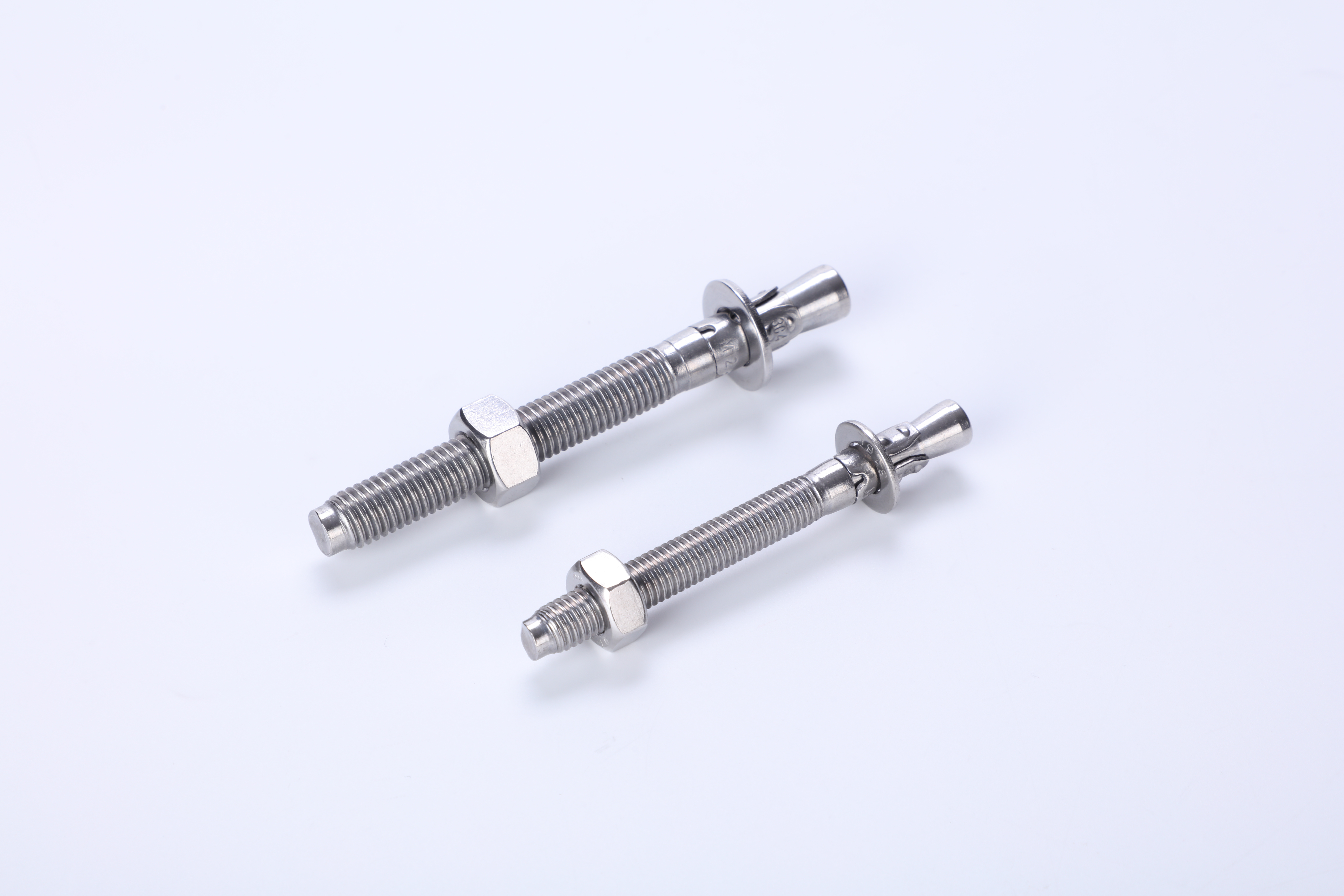
Face a stubborn fastener embedded deep in concrete slabs, and you quickly realize a core engineering truth. A wedge anchor operates as a mechanical expansion device specifically engineered for permanent, high-strength installation. By design, they naturally resist extraction. They lock into the substrate with incredible outward force. Removing them without a clear, calculated strategy often results in disastrous project outcomes. You might easily cause severe concrete spalling. You could destroy expensive masonry drill bits. You might even completely compromise the structural integrity of the surrounding foundation. This guide evaluates the correct removal methods based strictly on your unique project constraints. You will learn how to balance cosmetic requirements, structural load needs, and site reusability. We will explore practical, field-tested techniques. These methods will help you handle this challenging task safely and effectively.
Wedge anchors expand dynamically; attempting to pull them straight out usually causes severe concrete spalling.
The "pound-in" method is the most efficient approach if the drilled hole is deeper than the anchor.
Cutting the anchor flush is the industry standard for preserving concrete integrity when the fixing point is being abandoned.
Spinning or debris-blocked anchors require specialized troubleshooting (e.g., upward tensioning or core drilling) rather than brute force.
Establish the baseline condition of your concrete environment first. Ask yourself if the site faces high-stress demands. Examples include vertical climbing routes or heavy-duty garage vehicle lifts. These environments tolerate zero structural damage. Alternatively, the fastener might just support a standard static load. Wooden sill plates often fall into this category. Static applications offer more flexibility during removal.
Next, define your acceptable cosmetic and structural outcomes. Does the finished surface need perfectly flush patching? Sometimes, minor surface damage remains acceptable for industrial flooring. You must make this distinction early. A pristine floor requires entirely different tools than a rough utility basement.
Determine your hole reusability requirements carefully. If you plan to abandon the hole forever, your path is simple. Prioritize cutting the metal flush or driving the anchor sub-surface. However, you might need to reuse the exact location for new hardware. If so, prioritize core drilling or specialized extraction techniques. You must also factor in the high cost of structural epoxy replacement systems when reusing damaged holes.
Project Need | Recommended Approach | Concrete Damage Risk |
|---|---|---|
Abandoning Hole (Deep Clearance) | Sub-Surface Driving | Low |
Abandoning Hole (Shallow Clearance) | Flush Cutting | Zero |
Reusing Exact Location | Core Drilling Extraction | High (Requires Epoxy) |
Always inspect the concrete age and hardness. Older concrete crumbles faster under heavy impact. Assess edge distance as well. Striking an anchor near a slab edge usually fractures the corner completely. Keep these variables in mind before grabbing your tools.
This technique relies on driving the anchor deeper into the concrete. Pushing it down creates enough top clearance for simple surface patching. It remains a favorite among professionals.
This approach proves highly efficient for bulk removal. Commercial contractors use it frequently when clearing large warehouse floors quickly. However, its success is entirely dependent on the initial installer. They must have drilled the initial hole deeper than the overall anchor length. If they stopped drilling too soon, this method becomes useless.
Follow these precise implementation steps:
Remove the steel nut and the retaining washer completely from the threads.
Strike the protruding threaded end directly with a heavy mini-sledgehammer. This sharp impact disengages the internal expansion clip.
Drive the steel stud downward smoothly. Push it at least 1/4-inch below the concrete surface.
You must evaluate the risks carefully. This method fails immediately if the hole is shallow. It also fails if concrete dust heavily fills the bottom void. Be extremely careful when striking a bottomed-out anchor. Hitting it too hard sends powerful shockwaves through the substrate. This easily cracks the surrounding concrete.
Pro Tip: Tap the top lightly first to gauge resistance.
Pro Tip: Listen for a hollow sound indicating empty space below.
Pro Tip: Stop pounding immediately if the metal stud bounces back at you.
You execute this method by severing the protruding threaded stud entirely. You cut it so it sits perfectly flush with the existing concrete surface.
This represents the safest method available. It preserves structural integrity beautifully. You will find this crucial for critical applications. Rock climbing routes and load-bearing structural slabs demand this level of care. It requires specific power tools but guarantees absolutely zero concrete spalling.
Follow these steps for a clean, safe cut:
Equip an angle grinder with a premium metal cutoff wheel. Alternatively, use a heavy-duty reciprocating saw fitted with a carbide-tipped blade.
Cut the exposed steel shaft as close to the concrete slab as possible.
Switch to a flap disc or grinding wheel. Grind the remaining metal burr completely flush to prevent tripping hazards.
You must focus heavily on compliance and risk mitigation here. Exposed steel components will inevitably rust. Moisture exposure causes "rust jacking" over time. The expanding rust literally bursts the surrounding concrete from the inside out. To prevent this, always apply a zinc-rich galvanizing compound. Coat the freshly cut metal tip thoroughly. Let it dry completely before you apply any patching cement over the area.
This procedure involves physically removing the entire anchor body. You achieve this by cutting away the concrete immediately surrounding the stubborn fastener.
Expect high costs and intensive labor. Engineers reserve this technique strictly for critical infrastructure. You might also use it when structural blueprints strictly dictate reusing the exact anchor coordinate. It is never a casual choice.
Implement this complex technique safely:
Select a specialized diamond core bit. It must be slightly larger than the original fastener diameter. For example, use a 5/8-inch core bit for a 1/2-inch wedge anchor.
Center the hollow bit directly over the exposed stud.
Drill downward steadily. Go past the estimated depth of the internal expansion clip. This action releases the outward mechanical tension holding the hardware in place.
Extract the newly cut concrete core plug. The trapped fastener will come out securely inside it.
You face significant implementation risks here. Core drilling actively removes surrounding concrete mass. Your replacement fastener will now require a much larger oversized hole. You must transition to a high-strength structural epoxy anchoring system. This fundamentally alters the original engineering specifications. Always consult a structural engineer before proceeding with this intensive route.
Sometimes standard methods fail abruptly. You need reliable workarounds for common field problems. Fasteners rarely behave perfectly.
Address the "spinning anchor" problem first. You will often face frustrating situations where the top nut seizes completely. The anchor shaft then spins freely inside the concrete void. This prevents standard nut removal. The friction simply disappears.
Use heavy-duty vice grips for your solution. Clamp them tightly onto the exposed threads. Apply strong upward vertical tension on the stud. While lifting upwards, back off the seized nut using a wrench. Upward force makes the internal expansion clip bite hard into the concrete walls. This friction stops the spinning immediately.
Next, address the "shallow debris" problem. Sometimes anchors refuse to pound inward. Accumulated concrete dust often blocks the bottom of the drilled hole. Impacting it achieves nothing.
Do not force it. Cut the anchor flush first as your primary solution. Next, load a specialized rotary hammer bit. Carefully drill directly down the center of the soft steel stud. This action hollows out the solid shaft. It forces the anchor to collapse inward safely. You can then extract the remaining thin metal shards with needle-nose pliers.
Once you handle the old hardware, your project must move forward promptly. Shortlisting your next steps prevents construction delays.
Repairing the substrate remains your absolute first priority. You should fill all abandoned holes properly. This prevents dangerous moisture ingress and subsequent freeze-thaw damage. We highly recommend using high-strength, non-shrink structural epoxy. Hydraulic cement also works exceptionally well for patching these specific voids. Pack the material tightly to eliminate any trapped air pockets.
Selecting replacement fasteners requires careful thought and planning.
If you are drilling a new hole nearby, evaluate your modern options. Consider heavy-duty concrete screw anchors. Brands like Tapcon offer excellent holding power. They provide a modern, fully removable alternative to a traditional wedge anchor. They thread directly into the masonry.
If you must use the newly cored or damaged hole, transition your strategy completely. Switch to chemical anchoring systems. Inject adhesive epoxy deep into the cleaned void. Insert a threaded steel rod. The liquid epoxy easily fills irregular gaps. It bonds tightly to the damaged concrete surface, restoring lost load capacity efficiently.
The best way to remove these fasteners depends entirely on your specific situation. Ultimately, the correct method does the least unintended damage to your concrete substrate.
You must always avoid brute-force pulling techniques. Never use a heavy crowbar or a hydraulic jack for extraction. The inherent physics of the wedge clip guarantee severe concrete blowout under upward tension. The metal will simply destroy the stone.
Assess your required surface finish carefully. Check your tool availability before choosing a path. Plan your approach to save valuable time, money, and structural integrity. A calm, methodical approach always wins.
A: No. The expansion clip permanently deforms during both installation and extraction. A new anchor is always required to guarantee safe load-bearing capacities. Reusing old hardware invites catastrophic structural failure.
A: Rarely. The friction holding the fastener is mechanical, not rust-based. The steel wedge aggressively expands against the concrete walls. Lubrication will not overcome this powerful mechanical lock.
A: The upward pulling motion forces the wedge clip further down its tapered collar. This expands the clip even wider. Ultimately, it causes a massive, crater-like chunk of concrete to break off, known as spalling.
A: Industry standards generally require a safe spacing of at least 10 anchor diameters between expansion anchors. This critical distance prevents overlapping stress cones from weakening the surrounding concrete.
