 English
Author: Site Editor Publish Time: 2026-06-17 Origin: Site


Structural stability depends entirely on securing loads perfectly to their foundation. An improperly installed structural fastener compromises everything immediately. This failure leads to catastrophic pull-out incidents, severe safety liabilities, and highly complicated rework. We constantly see projects fail simply because crews underestimate the installation process.
Successful installation requires much more than simply drilling a hole into a slab. It demands precise alignment between the base material's compressive strength, dynamic load requirements, and the exact fastener specifications. You must understand shear forces versus tension forces to ensure long-term stability. Ignoring these technical details invites structural disaster.
This guide breaks down the technical realities of selecting, evaluating, and installing these crucial components for heavy-duty applications. You will discover the essential tooling requirements and step-by-step execution protocols. We also cover critical risk mitigation strategies needed to guarantee a flawless, high-stakes installation every single time.
Anchor Selection Dictates Success: Solid concrete requires expansion anchors (like a concrete wedge anchor), while hollow substrates demand sleeve or chemical anchors.
Preparation is Critical: 90% of pull-out failures are caused by improper hole diameter, inadequate depth, or failure to clear concrete dust.
Torque Non-Negotiables: Over-torquing compromises the anchor’s mechanical grip; under-torquing fails to engage the expansion clip. Always use a calibrated torque wrench.
Spacing Rules Apply: Minimum edge distance and anchor-to-anchor spacing are required to prevent concrete spalling and blowout.
Engineers and contractors face critical choices during early project planning. You must evaluate your load requirements carefully before touching a drill. Choosing the correct fastener is essential for overall structural safety. Different substrates demand completely different anchoring technologies.
Wedge designs provide exceptional hold strength. They represent the premier choice for heavy-duty, solid substrate applications. Common industrial uses include structural steel framing, heavy machinery mounting, and security vaults. They rely on intense high-friction expansion against the hole walls. For superior results, a concrete wedge anchor handles extreme tension loads effectively. The clip expands outward as you tighten the nut.
Sleeve anchors offer greater versatility across jobsites. They work exceptionally well across lower-density base materials. You can use them safely in hollow block, brick, and standard masonry. The entire metal sleeve expands to grip porous sidewalls securely.
Drop-in variants work perfectly for overhead applications. They suit flush-mount requirements beautifully. You need a dedicated setting tool to engage the internal expansion plug. Once set, they provide a permanent internal thread for removable bolts.
You must evaluate your specific load types accurately. Dynamic loads experience constant movement and vibration over time. Think of running motors or vibrating conveyor belts. Static loads remain constant, like a stationary steel column. Consider your environmental exposure carefully. Standard zinc-plated options work fine for dry indoor spaces. However, you need 304 or 316 stainless steel for outdoor corrosion resistance. Always verify the concrete compressive strength (PSI) before starting any work. Higher PSI ratings yield higher ultimate pull-out capacities.
We regularly see one major critical mistake in the field. Do not use wedge expansion products in hollow block. Furthermore, never install them in green, uncured slabs. The massive expansion forces will shatter the brittle substrate instantly. You must trust the technical data over your assumptions.
Chart: Fastener Selection Matrix | |||
Anchor Type | Ideal Substrate | Primary Load Type | Common Application |
|---|---|---|---|
Wedge Anchor | Solid Concrete Only | Heavy Static / Tension | Structural steel, columns, machinery |
Sleeve Anchor | Block, Brick, Masonry | Medium Static / Shear | Handrails, door frames, fixtures |
Drop-in Anchor | Solid Concrete Only | Medium Static / Overhead | HVAC ductwork, suspended pipes |
Many novice installers underestimate the absolute precision required here. Implementation realities demand exact tolerances at every stage. You cannot cut corners during the preparation phase.
Do not rely on standard masonry bits for this task. They wobble excessively and create irregular, oversized holes. Successful installation strictly requires ANSI-standard carbide-tipped drill bits. These specific tools ensure exact dimensional tolerances. A precise hole prevents the fastener from spinning freely during the tightening phase. The American National Standards Institute (ANSI) strictly defines these bit measurements to match fastener diameters.
You need specific tools to execute this procedure properly. Missing even one item compromises the final structural integrity.
Heavy-duty rotary hammer drill (do not use a standard combi-drill).
ANSI-standard carbide-tipped bit matching your fastener size.
Compressed air nozzle or a specialized manual blow bulb.
Stiff wire brush sized exactly for the hole diameter.
Heavy hammer or small sledgehammer.
Calibrated torque wrench (never use an impact driver for final tightening).
This sizing matrix guarantees a completely secure mechanical fit.
Hole Diameter: The drilled hole must match the exact designated diameter. For example, a 1/2-inch concrete anchor strictly requires a 1/2-inch ANSI bit. Do not size up the drill bit under any circumstances. If the hole is too wide, the clip cannot bite.
Minimum Embedment Depth: Engineers typically calculate this metric at 4 to 5 times the fastener diameter. A 1/2-inch bolt needs at least 2 to 2.5 inches of embedment into the solid base. Deeper embedment usually yields higher pull-out strength.
Over-drilling Rule: Always drill the hole at least 1/2-inch deeper than your intended embedment depth. This extra space allows crucial room for any remaining settling dust. It prevents the bolt from bottoming out prematurely during installation.
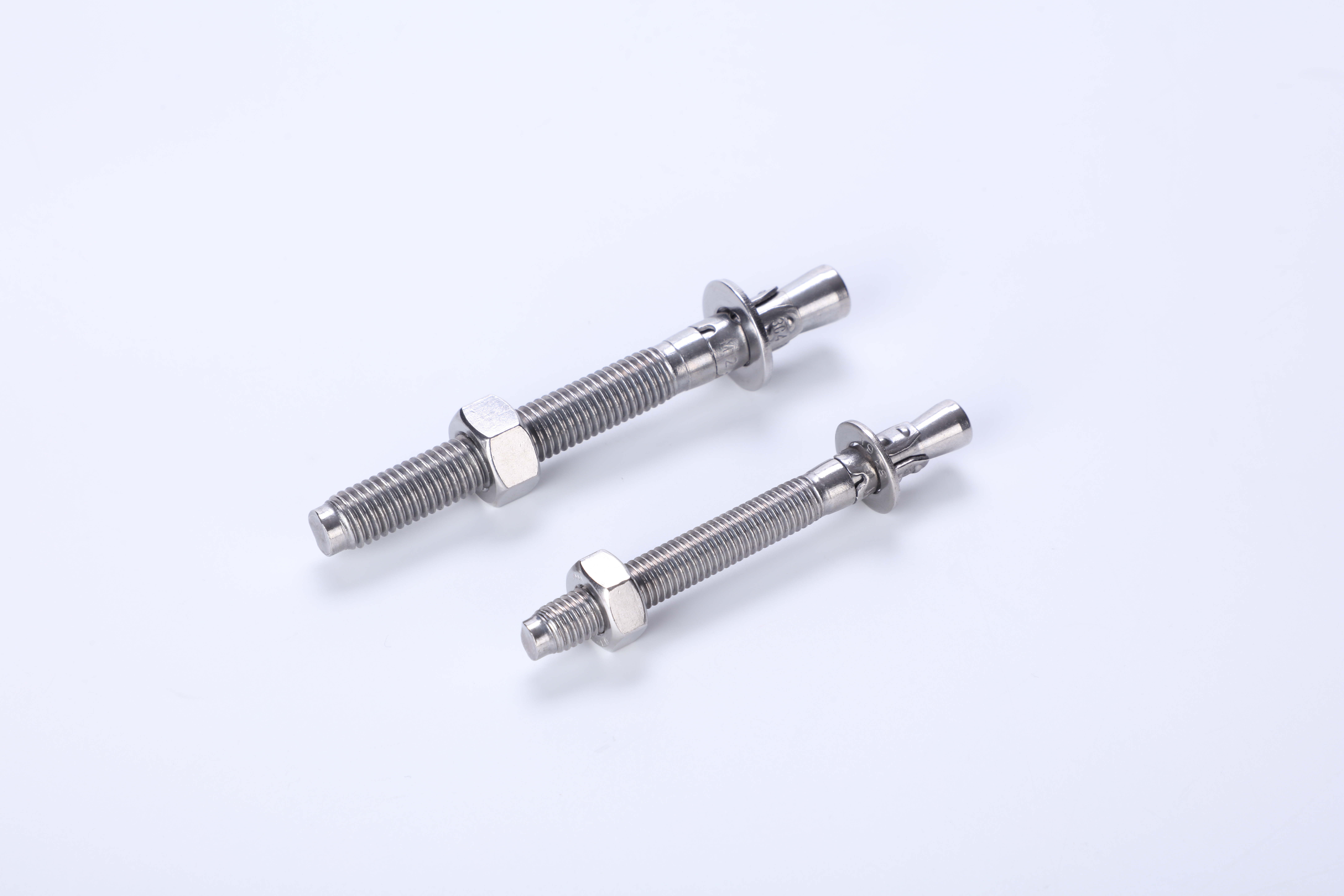
Executing the installation requires strict adherence to standardized protocols. Skipping a single step introduces massive structural weaknesses into your project. Follow these specific procedures carefully to guarantee optimal performance.
Step 1: Drilling the Hole. Ensure your rotary hammer drill remains perfectly perpendicular to the surface. Crooked holes cause the bolt head to sit unevenly against the fixture. Mark your drill bit using bright visible tape. This visual guide guarantees you reach the minimum embedment depth plus the required 1/2-inch dust clearance. Let the drill do the heavy work; do not force it.
Step 2: Clearing the Debris (Critical Risk Mitigation). Vacuum out the hole thoroughly first. Next, use a stiff wire brush to scrub the interior walls. This action loosens stubborn micro-dust clinging to the sides. Finally, blow it out completely using compressed air. Leftover dust creates a severe hazard. It acts as a lubricant and prevents the expansion clip from gripping the solid walls.
Step 3: Setting the Nut and Washer. Thread the included nut onto the top threads carefully. Turn it until it sits completely flush against the top of the bolt. This crucial step protects the delicate threads from direct impact. You will easily avoid thread deformation during the upcoming hammering phase.
Step 4: Driving the Anchor. Hammer the assembly firmly through your metal fixture. Drive it straight down into the cleaned slab. Continue striking it steadily until the washer sits perfectly flush against the fixture's mounting surface. Use deliberate, square hammer strikes.
Step 5: Torquing to Spec. Tighten the nut using a recently calibrated torque wrench. You must match the manufacturer's exact specifications perfectly. Installers usually turn it 3 to 5 full turns past finger-tight. This specific motion pulls the bolt upward, wedging the internal clip aggressively into the surrounding material.
Even highly experienced crews make critical mistakes during rushed installations. You must recognize these specific failure points early. Proactive awareness prevents costly rework and dangerous structural liabilities.
Many contractors mistakenly believe tighter always means stronger. This represents a highly dangerous misconception in modern fastening. Applying too much torque strips the internal threads rapidly. Worse, excessive force pulls the expansion clip entirely through the base material. This critical mistake renders the fastener completely useless. It destroys its mechanical grip permanently. You must use a calibrated torque wrench every single time. Never use a pneumatic impact driver for the final tightening sequence.
Installing a bolt too close to an unsupported edge creates immense structural risk. The material will inevitably crack and blow out under severe expansion pressure. We call this failure spalling. Follow this standard engineering rule religiously to stay safe. You must maintain a distance of at least 5 anchor diameters from any unsupported edge. If you use a 1-inch thick bolt, stay at least 5 inches away from the slab's edge.
You will occasionally hit hidden steel rebar during the drilling process. Stop the drill immediately and evaluate your current hole depth. Does it currently meet the absolute minimum embedment requirements? If it does not, you face a strict remediation protocol. You must abandon the shallow hole entirely. Fill it completely using high-strength structural epoxy. Then, relocate the hole to a safe distance before drilling again. Never cut through structural rebar without engineering approval.
Procurement decisions directly impact your overall site safety. You need highly reliable vendors for commercial structural projects. Buying unbranded hardware introduces unacceptable risks to your engineering plans.
When procuring fasteners for industrial projects, prioritize absolute transparency. Select vendors who provide comprehensive technical data sheets (TDS). These critical documents must include ultimate tension load charts. They should detail exact shear load capacities based on specific concrete PSI ratings. Without this verified data, you guess blindly about structural safety. Always verify the steel grade and plating specifications before buying in bulk.
Local building codes dictate strict material requirements globally. Ensure your chosen products meet ICC-ES (International Code Council Evaluation Service) approvals. The ICC-ES rigorously tests these products under extreme simulated conditions. Check if your specific project requires ratings for both cracked and uncracked slabs. Seismic zones strictly require specialized cracked-concrete approvals. Do not overlook this critical compliance detail during your purchasing phase.
Start your process by thoroughly reviewing official project blueprints. Calculate your total dynamic and static load requirements carefully. Verify the expected environmental conditions at your specific installation site. Will it face salt spray, heavy rain, or harsh chemicals? Finally, source your required hardware from a reputable industrial supplier. They must offer transparent specification sheets and robust bulk availability to keep your timeline intact.
Installing a concrete wedge anchor correctly remains an exercise in absolute precision. It requires exact hole tolerances, rigorous cleaning protocols, and strict adherence to specified torque values. You cannot compromise on any single step without risking structural failure.
Audit your specific load requirements and substrate type thoroughly before making a purchase. When facing high-stakes applications like heavy machinery mounting or security vaults, never guess. Over-spec your fastener size proactively. Always default to heavy-duty expansion options whenever working in thick, solid environments.
Take action today by exploring our comprehensive catalog of fully-specced, commercial-grade options. Each product ships complete with official technical data sheets. We actively support your most demanding project compliance needs and safety requirements directly.
A: No, they are permanent fixtures. Once the clip expands, it locks tightly into the substrate. To remove the attached fixture, you must cut the top of the bolt off using an angle grinder. After cutting, hammer the remaining threaded shaft completely flush with the surrounding surface.
A: The fastener will not grip the walls at all. It will just spin freely. You cannot use epoxy, glue, or metal shims to fix an oversized hole for a mechanical expansion product. You must drill a new hole at a safe distance or size up to a larger diameter bolt if your fixture allows it.
A: Standard concrete requires a minimum of 28 days to fully cure. It must reach its officially rated compressive strength (PSI) before you can safely install expansion products. Installing them in green, uncured slabs causes immediate cracking, spalling, and total hold failure.
