 English
Author: Site Editor Publish Time: 2026-03-17 Origin: Site


When it comes to drywall installation, choosing the right screws is as important as choosing the right tools. Drywall screws are specially designed to securely attach drywall to wood, metal studs, and other surfaces. They provide the necessary support and durability to ensure that the drywall remains in place over time, without cracking or loosening.
In this article, we’ll explore the different types of drywall screws, their uses, and how to select the best screw for each specific job. We’ll also provide insight into why each screw type is suited for particular tasks, and how to ensure a proper and secure installation.
Drywall screws are screws specifically designed for fastening drywall sheets to studs in construction or renovation projects. They are typically made of steel and have a sharp, self-tapping point that makes them easier to drive into the drywall and studs. Their heads are often bugle-shaped, which allows them to sit flush with the surface of the drywall without tearing the paper layer.
These screws are available in a variety of sizes, types, and coatings to suit different applications. While the basic principle of drywall screw installation remains the same, different situations and materials call for specific screw types to ensure the best performance.
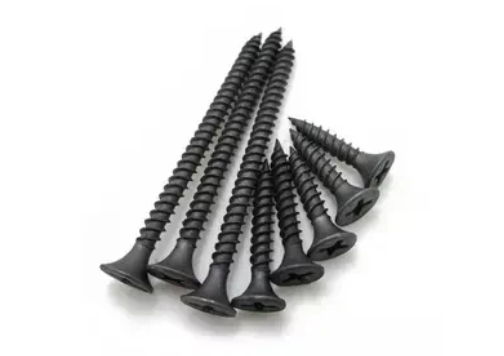
Drywall screws come in several different types, each designed to serve a particular purpose. The most commonly used types include:
Coarse-thread screws are primarily used for securing drywall to wood studs. The wide thread design allows the screw to grip wood better and provide a firm hold. These screws are ideal for applications where the drywall is being attached to wooden framing or studs, as the coarse threads are designed to maximize grip and prevent the screw from loosening over time.
Uses:
Wood Studs: These screws are perfect for fastening drywall to wood studs. The larger threads grip the wood more effectively, creating a secure connection.
High-Torque Applications: Coarse-thread screws can withstand higher torque levels and are great for situations where the screw needs to support a heavy load.
Fine-thread drywall screws are used for securing drywall to metal studs. These screws have a smaller, tighter thread pattern, which allows them to grip metal better than coarse-thread screws. They are ideal for metal framing systems, which require screws that can bite into the metal surface.
Uses:
Metal Studs: Fine-thread screws are used when attaching drywall to metal studs. They can provide a secure, stable hold without causing damage to the metal.
Precision Applications: Fine threads are better suited for situations requiring precision and less risk of over-penetration, which can damage the material.
Self-drilling drywall screws have a drill bit-like point that allows them to pierce through both drywall and the studs without needing a pre-drilled hole. These screws are perfect for applications where speed and ease of installation are important. They are typically used for both wood and metal studs, offering versatility for various types of construction.
Uses:
Fast Installations: Ideal for quick, efficient drywall installations where speed is essential.
No Pre-Drilling: These screws are suitable for situations where you want to avoid the time-consuming task of pre-drilling pilot holes.
Most drywall screws come with a bugle-shaped head, which allows the screw to sink into the drywall without tearing the paper surface. This type of screw helps avoid damaging the drywall while still holding it securely in place. The bugle head also provides a large surface area for the screw to hold the drywall in place.
Uses:
Standard Drywall Installation: Bugle head screws are used in almost all drywall installations, providing a smooth finish and preventing the paper from tearing.
Smooth Finish: Ideal for drywalling where a smooth finish is needed, as the bugle head prevents the screw from being visible after installation.
Trim head drywall screws have a smaller, flatter head compared to standard bugle head screws. These screws are typically used when a less noticeable screw head is desired, especially in areas where the screw might be visible after finishing the wall.
Uses:
Visible Areas: Trim head screws are often used in areas where the screw heads need to be less visible or flush with the surface.
Fine Finishes: When a smooth, almost invisible finish is required, trim head screws are an ideal choice.
Drywall screws are often coated with a layer of phosphate, which helps protect the screws from rust and corrosion. Phosphate-coated screws are designed for use in environments where moisture or humidity may be a concern, such as in bathrooms, kitchens, or outdoor constructions.
Uses:
Moisture-Prone Environments: These screws are ideal for drywall installation in areas where water exposure is likely.
Long-Term Durability: The coating helps prevent corrosion over time, ensuring a long-lasting, secure connection.
Zinc-coated screws are another common option for drywall installation. The zinc coating offers additional protection against corrosion, making them suitable for areas that may not be exposed to high moisture but still require some level of protection.
Uses:
General Use: Zinc-coated drywall screws are perfect for typical residential and commercial installations where there is a need for moderate corrosion resistance.
Dry and Stable Environments: These screws work well in dry environments or spaces that don't face high levels of moisture.
When choosing the right drywall screw for your project, there are several factors to consider:
Material of the Studs: If you are attaching drywall to wooden studs, use coarse-thread screws. If you are using metal studs, opt for fine-thread screws.
Drywall Thickness: For thicker drywall, use longer screws to ensure a secure hold. The standard length for drywall screws is 1 1/4 inches for regular drywall.
Environmental Conditions: Consider using corrosion-resistant screws if your project is in a high-humidity area, such as a bathroom or kitchen.
Screw Head Type: Choose between bugle heads, trim heads, or other head types based on whether the screw heads will be visible and the type of finish you want.
While choosing the right screw is crucial, proper installation is just as important. Here are some best practices for installing drywall screws:
Spacing: Place screws about 6 to 8 inches apart along the edges of the drywall and about 12 inches apart in the center. This spacing ensures that the drywall is securely attached to the studs and reduces the risk of sagging or loosening.
Screw Depth: Make sure that the screw is driven just below the surface of the drywall without penetrating too deeply. Over-tightening can damage the drywall, and under-tightening may result in an insecure hold.
Use the Right Tools: A screw gun with adjustable depth control is the ideal tool for driving drywall screws. This prevents over-driving and ensures that the screws sit flush with the surface of the drywall.
Choosing the right drywall screw for your project is key to achieving a secure, long-lasting result. By understanding the different types of drywall screws available and their respective uses, you can ensure a smooth installation process and avoid common pitfalls. Always ensure that you use the correct screw for the material, environment, and project specifications to achieve the best possible outcome.
For high-quality drywall screws and fasteners, Ningbo Yi Pian Hong Fastener Co., Ltd. offers a wide range of products designed to meet the demands of your drywall installation needs. Their team is ready to assist with selecting the right fasteners for your project.
Q: What is the difference between coarse-thread and fine-thread drywall screws?
A: Coarse-thread screws are used for wood studs, while fine-thread screws are used for metal studs. Fine threads provide better grip on metal surfaces.
Q: How far apart should drywall screws be placed?
A: Drywall screws should be spaced about 6 to 8 inches apart along the edges and 12 inches apart in the center of the drywall sheets.
Q: Can I use drywall screws for other materials?
A: Drywall screws are designed for drywall installation. For other materials like wood or metal, it's important to use the appropriate screws designed for those surfaces.
Q: What is the best screw type for high-humidity areas?
A: For high-humidity areas, such as bathrooms or kitchens, phosphate-coated or galvanized screws are ideal as they resist corrosion.
